
How a C-Section Made Me More Pro-Choice/Generational Change/Pelvic Floor 101
This week's round-up of must-reads.
The year is half-way over—can you believe it? This week, whenever you can snag that well-deserved break from your baby or toddler, we hope you enjoy these reads. From one woman’s emergency C-section to another’s career shift after having a baby to better understanding your pelvic floor, here’s what you need to know:
My Treatment During An Emergency Labor Made Me Even More Pro-Choice
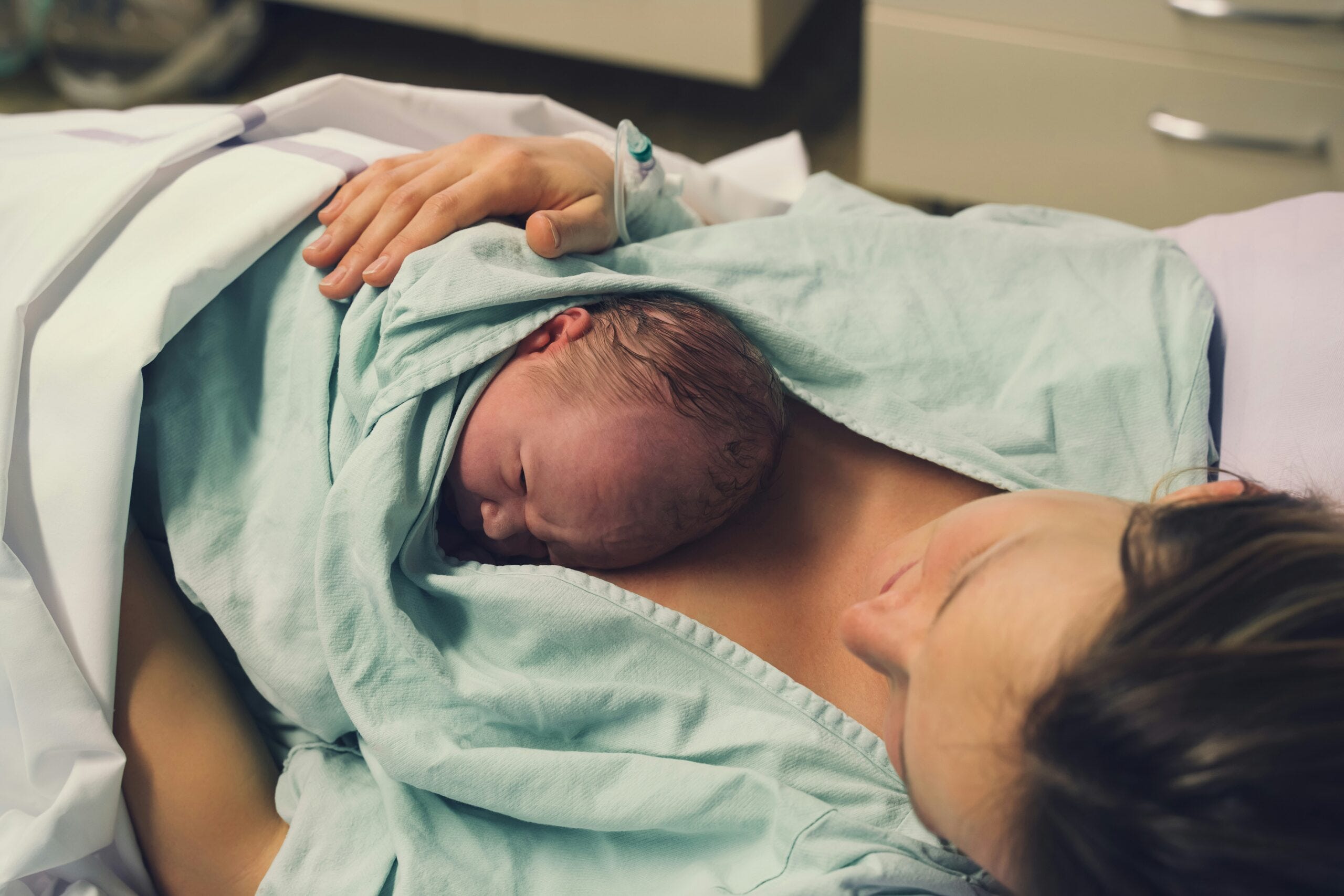
This writer’s water broke at 33 weeks, leading to a stressful hospital experience where she felt overlooked and treated as just a vessel for her baby. After 60 hours of labor, she finally received an epidural and underwent an emergency C-section. Her daughter, who spent 22 days in the NICU, is now three years old. This traumatic experience strengthened her resolve to fight for women's reproductive rights.
Read here.
Working Mothers Have the Chance to Make a Generational Change in the Workplace

At age 32, she created a vision board with "Director of Operations" as her goal, aiming to achieve it within five to ten years. She earned the title in just one year through hard work and dedication, often working fourteen-hour days, traveling last minute, and boosting team morale. However, after becoming a mother, she realized balancing work and family was challenging. Her experiences led to a deeper understanding of the "motherhood penalty." Despite leaving her job to focus on her twins, she remains ambitious, advocating for better support for working mothers.
Read here.
The 101 Guide to Your Pelvic Floor
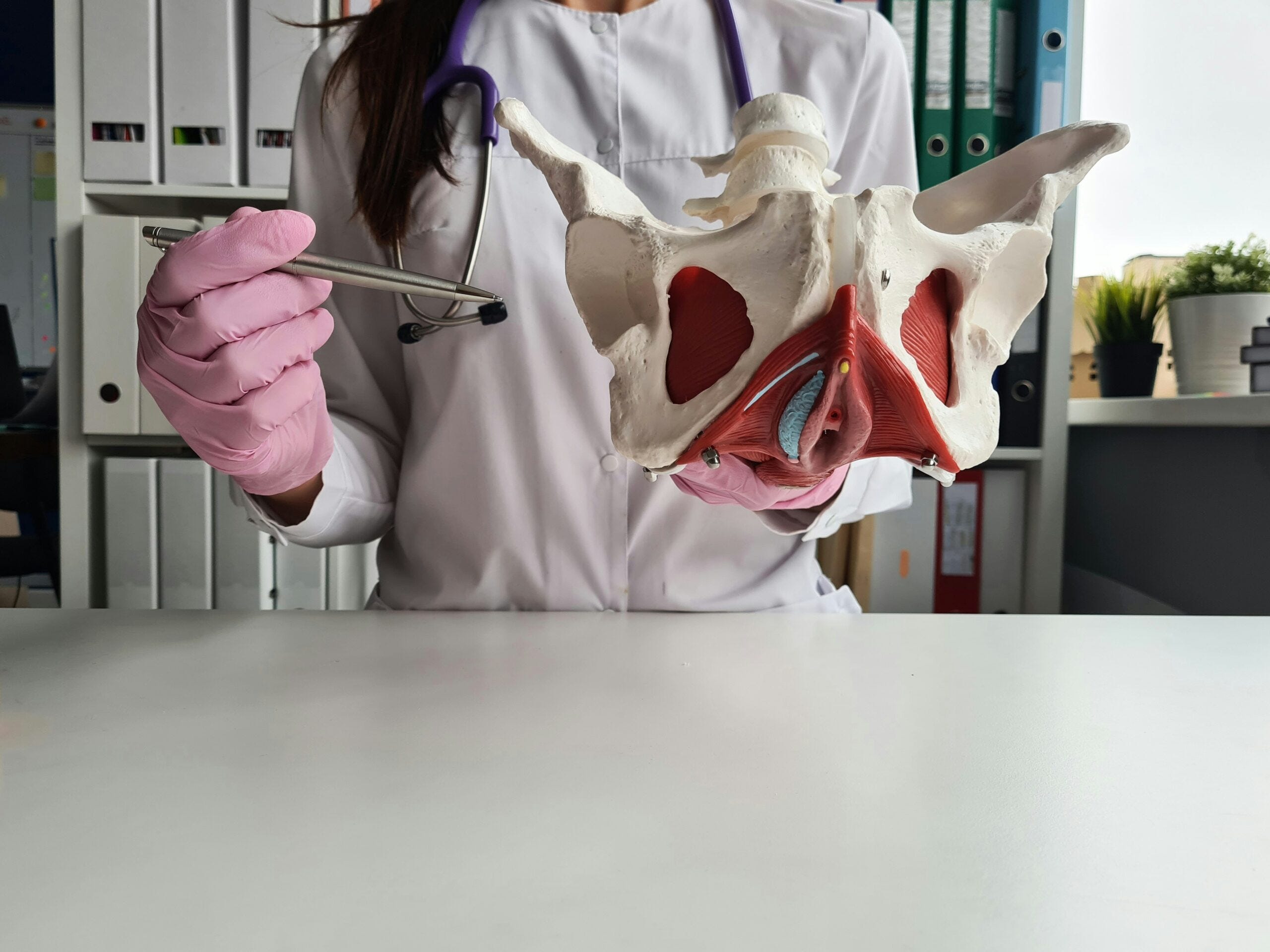
The pelvic floor, a group of muscles and connective tissues forming a hammock-like structure at the base of the pelvis, supports vital organs such as the bladder, uterus, and rectum. Its health is crucial for overall well-being, especially for women. A strong pelvic floor aids in core stability, supports posture, and impacts breathing patterns. Many women experience pelvic floor dysfunction, often unknowingly, which can manifest as incontinence, sexual issues, and chronic pain. Here’s what you need to know:
Read it here.
SEEKING: Essays On These Topics

We want to share your motherhood story—from the earliest days of trying to conceive and pregnancy to the postpartum trials.
We are always open to any ideas, but currently looking for:
-Breastfeeding stories
-Body image and working out during pregnancy/postpartum
-Traveling pregnant, postpartum & early motherhood
-Labor & delivery/birth stories
-Summer pregnancy & postpartum stories
Please get in touch today if you’re interested in writing for The Mother Chapter: lindsay@milaandjomedia.com.
News Moms Are Talking About:
PSA: You shouldn’t still be paying for birth control: Last week, Senator Bernie Sanders of Vermont, chair of the Senate health committee, urged a government watchdog to investigate why insurance companies continue charging women for birth control, spotlighting contraceptive access issues. In his letter to the Government Accountability Office, Sanders highlighted that insurers charge for federally mandated free contraceptives and deny coverage appeals. The Affordable Care Act mandates private insurance cover FDA-approved contraceptives and related services without co-payments. However, many insurers still impose costs, affecting millions.
A mom’s experience with postpartum psychosis: Hollie, a UK mom, shared her experience with postpartum psychosis after her third child's birth. She was treated in a mother-baby unit, allowing her to stay with her baby during recovery. This differed from her first experience, where she was separated from her baby. The supportive environment, personalized care, and family visits aided her recovery. Hollie emphasizes the importance of such units for mothers' mental health and hopes similar resources become available in the US.
A UT Southwestern study found a link between postpartum urinary incontinence and mental health issues, such as depression and anxiety, in underserved women: The study observed that higher body mass index and previous births were associated with increased incontinence. Researchers highlight the importance of addressing both physical and mental health during postpartum care. The findings suggest healthcare providers should inquire about urinary incontinence and mental health during postpartum visits to provide appropriate referrals and improve patients' quality of life.
Last Word of the Week: Ashley Tisdale & Acid Reflux in Pregnancy

Ashley Tisdale opened up about her challenging pregnancy symptoms on Instagram, including severe acid reflux, congestion, and discomfort, which disrupt her sleep. She humorously noted that her husband has to sleep in the guest room due to her snoring.
If you’re expecting and experiencing symptoms like these, here are some ways to feel better:
Tips for Managing Reflux in Pregnancy:
Eat smaller, more frequent meals: Large meals can overload your stomach and worsen reflux. By eating smaller portions more frequently, you can help manage your symptoms more effectively.
Avoid spicy, fatty, or acidic foods: These types of foods can trigger reflux by irritating the stomach lining and increasing acid production. Opt for bland, low-fat, and low-acid meals to minimize discomfort.
Stay upright for at least an hour after eating: Lying down right after meals can cause stomach acid to flow back into the esophagus. Remaining upright helps gravity keep the acid down.
Elevate your head while sleeping: Raising the head of your bed by a few inches or using a wedge pillow can prevent stomach acid from rising while you sleep, reducing nighttime reflux symptoms.
When to Seek a Doctor's Help:
If over-the-counter remedies do not provide relief: Persistent symptoms that don't improve with basic treatments may require prescription medication or other interventions.
If symptoms are severe and interfere with daily life: Severe reflux that disrupts your sleep, eating, or daily activities needs medical attention to ensure both maternal and fetal health.